The right light helps people see hazards sooner, judge distance better, and stay focused longer. The wrong light creates shadows, glare, and inconsistent brightness that makes even routine tasks harder than they should be. If you want fewer close calls, fewer mistakes, and smoother operations, lighting is a practical place to start.
Workplace safety in industrial and commercial settings is usually discussed in terms of training, signage, PPE, and equipment maintenance. Lighting is not a luxury item in a work environment. It is part of your safety system.
The right light helps people see hazards sooner, judge distance better, and stay focused longer. The wrong light creates shadows, glare, and inconsistent brightness that makes even routine tasks harder than they should be. If you want fewer close calls, fewer mistakes, and smoother operations, lighting is a practical place to start.
That is why
ufo led High Bay lights have become a go-to option in high-ceiling facilities. They are designed for the reality of commercial spaces: big square footage, tall mounting heights, constant movement, and tasks that require clear visibility. And because they are LED, they also bring energy savings and low maintenance, which matters in facilities where replacing a fixture can mean renting a lift, blocking off aisles, and interrupting workflow.
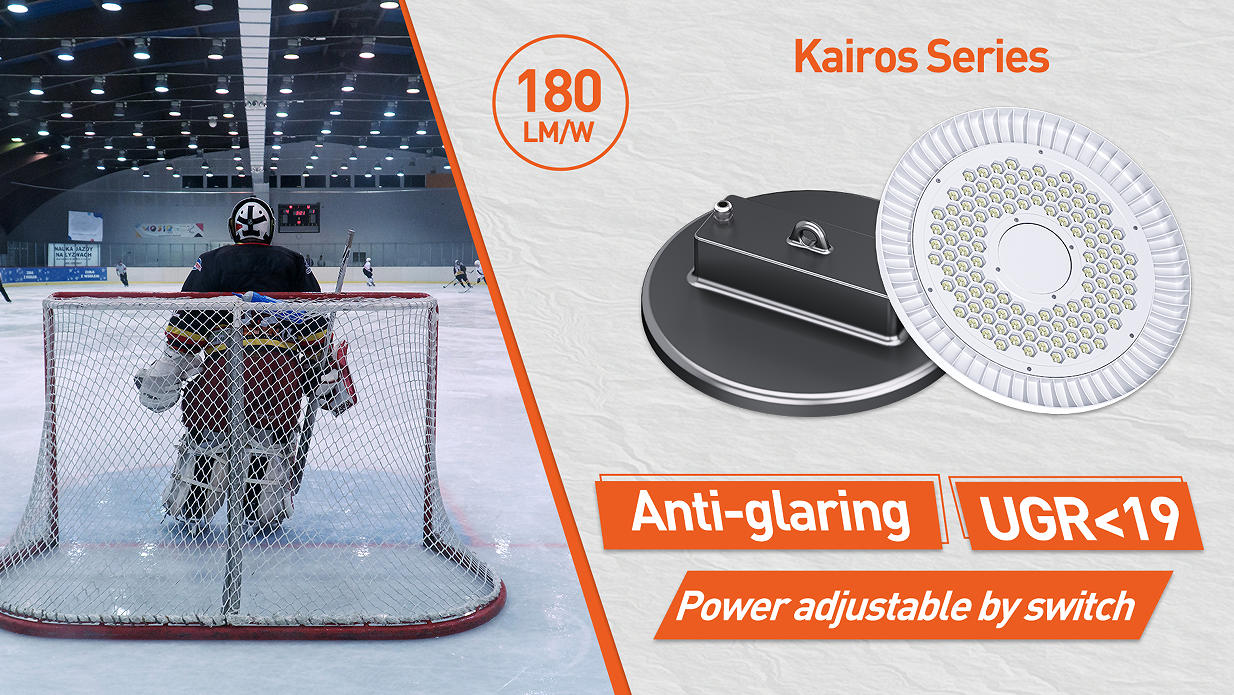
What Are UFO LED High Bay Lights?
UFO-style fixtures are high bay lights with a round, compact form. The shape is not a gimmick. It is part of why they work so well in tall spaces. A typical UFO fixture uses a circular heat sink and housing that helps manage heat while keeping the light output strong. That design also tends to be rugged, which is a big deal in facilities where vibration, dust, and temperature swings are part of daily life.
The main selling points are straightforward: high lumen output, broad coverage, and efficient performance at mounting heights that would make standard High Bay fixtures feel weak and uneven. In practical terms, led ufo High Bay lights are built to throw bright, usable light down to the working plane without turning the space into a glare box.
Design characteristics that matter
Circular shape,The round design usually supports a wide distribution pattern that works well for general area lighting.
It can help reduce hard cutoffs and harsh “spotlight” effects when paired with the right optic.
High output,These fixtures are made to replace older high bays like metal halide or HID fixtures.
They are capable of producing enough light for active workspaces, not just storage.
Wide beam coverage,Many UFO fixtures are built with optics that spread light across a wider area, helping reduce “hot spots” under the fixture and dim zones between fixtures.
This is especially helpful in open floor plans where people move constantly and tasks happen in multiple areas.
Typical applications
You will most often see UFO led High Bay lights used in:
High Bays and fabrication bays
Warehouses and distribution centers
Mechanic bays and service garages
Factories and production areas
Agricultural buildings and barn High Bays
Commercial storage areas with active picking or packing
These spaces share a few common traits:
higher ceilings, wide floor areas, moving equipment, and work that relies on quick visual decisions. That mix is exactly where lighting quality affects safety the most.
Why they have become the standard for
high-ceiling facilitiesOlder lighting types were never truly built for modern expectations. Metal halide fixtures take time to warm up, shift color, and lose output over their life. Fluorescents can struggle in certain temperatures and often create uneven brightness or flicker issues. In real-world work environments, those downsides show up as visibility problems.
UFO high bays became popular because they solve several facility headaches at once:
Strong, consistent brightness that supports safety and productivity
Better light quality for task accuracy
Less maintenance compared to legacy high bays
Faster on/off behavior, which pairs well with occupancy controls in some facilities
Compact build that fits a lot of ceiling layouts
In other words, the reason led ufo
High Bay lights have become common is simple: they match how commercial spaces actually operate.
The Link Between Lighting Quality and Workplace Safety
Good lighting does not just help people “see better.” It changes how they move, how they judge risk, and how consistently they perform tasks over an entire shift. Safety incidents are rarely caused by one factor. They happen when small problems stack up. Poor lighting is one of those problems that quietly stacks up every day.
Unicornlite guidance on adequate lighting
Unicornlite’s general approach to workplace safety includes providing a work environment free from recognized hazards. Lighting falls into that category because inadequate illumination can contribute to trips, falls, equipment mistakes, and other preventable incidents. Many workplaces can also be subject to specific lighting expectations depending on the facility type, tasks performed, and any applicable standards referenced in inspections or safety planning.
How brightness, uniformity, and color rendering reduce mistakes
There are three lighting factors that have a direct impact on accident prevention: brightness, uniformity, and color quality.
Brightness
Adequate brightness improves hazard detection, especially at floor level where trip risks live.
It helps operators and forklift drivers judge distance and speed better.
It supports accurate reading of labels, gauges, and screens, which reduces errors in handling and production.
Brightness alone is not enough, though. A space can be “bright” and still unsafe if that brightness is inconsistent or causes glare.
Uniformity
Uniform light matters because people move through a facility. They do not stand perfectly still under one fixture all day.
Better uniformity reduces harsh transitions between bright and dim zones.
It limits deep shadows that hide debris, cords, straps, or uneven flooring.
It helps reduce eye strain because workers are not constantly adjusting to different light levels.
A common problem in older setups is the “spotlight warehouse” effect: bright circles under each light and darker lanes between them. That is where trips and missed hazards happen.
Accident reduction in well-lit workspaces
In general, well-lit workspaces tend to see fewer accidents and near-misses because visibility improves situational awareness. When people can clearly see walking surfaces, moving equipment, and task details, they make fewer errors. They also move more confidently, which matters around forklifts, pallet jacks, ladders, and machinery.
The key point is not that lighting magically eliminates risk. It removes one of the most common environmental factors that makes risk harder to manage. Upgrading to ufo led High Bay lights is often one of the most practical steps facilities take because it improves light coverage and consistency in spaces where traditional lighting struggles.
How UFO LED High Bay Lights Improve Safety
Safety improvements from lighting are rarely dramatic in a single moment. They show up in the boring wins: fewer stumbles, fewer bumped racks, fewer “wait, what does that label say?” moments.
In active facilities,
ufo led High Bay lights support those wins by combining high output with controlled distribution and modern LED performance that avoids the common problems of older fixtures.
High lumen output for clear visibility
High ceilings swallow light. If the fixture cannot produce enough usable brightness at the working level, you get the same familiar issues: shadows under shelving, dim pathways between bays, and work areas that look fine from the doorway but fall apart once you are actually doing the task.
Strong light output helps with:
Reducing shadowy zones where hazards hide: loose strapping, shrink wrap, floor debris, cords, low pallet edges, or uneven transitions in flooring.
Preventing missteps, collisions, and equipment errors: forklift operators can better see aisle edges and pedestrians, and techs can see where their hands are around moving parts.
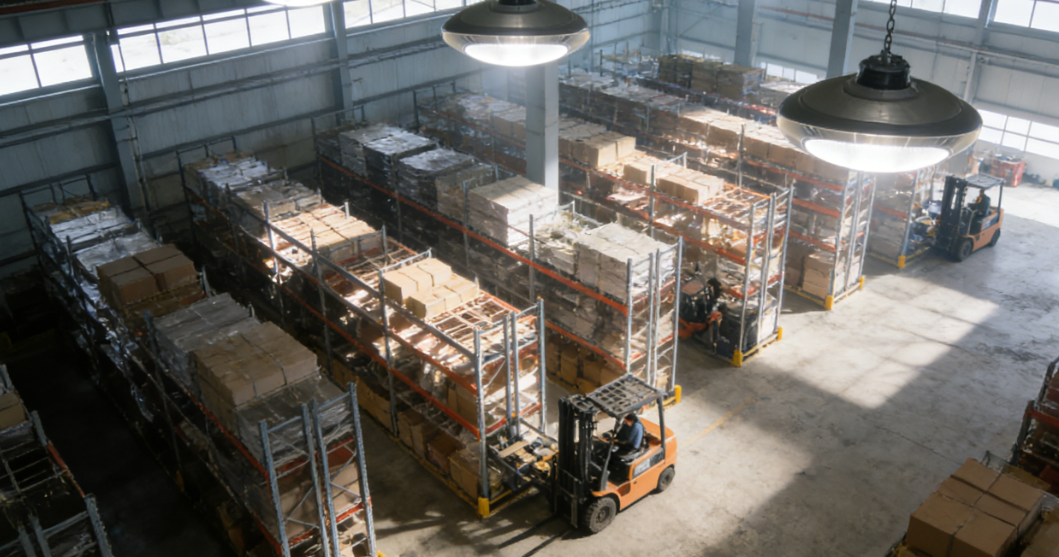
This is also where led ufo High Bay lights do something older systems often fail to do consistently: maintain usable brightness over time. Many legacy fixtures start decent and then slowly fade, so the facility gets used to “normal” being dimmer than it should be.
Uniform light distribution
Brightness without consistency can still cause safety problems. A warehouse with bright circles under fixtures and darker stretches between them forces constant visual adjustment. That is tiring, and fatigue leads to bad judgment.
Uniform distribution helps by:
Eliminating dark corners and uneven lighting common with older MH/HID setups, especially in areas where fixture spacing is less than perfect.
Helping workers maintain spatial awareness so they can judge depth, distance, and movement more accurately, especially around racks, doorways, and intersections.
Uniformity also matters for cameras and security systems. Better lighting makes footage clearer, which supports incident review and deters risky behavior.
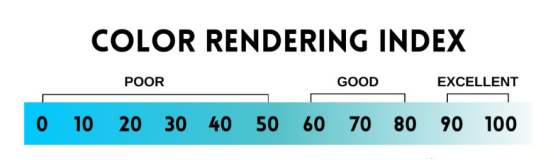
High CRI for better detail recognition
CRI is one of those specs that sounds technical but shows up in everyday tasks. In facilities where people read labels, sort inventory, inspect products, or work around wiring and controls, color clarity matters.
Higher CRI lighting improves the ability to:
Read labels and printed instructions without squinting
Identify safety signs and color-coded warnings faster
Distinguish wire colors and markings accurately
See machine indicators, leaks, residue, and wear
It is not just about looking “nicer.” It is about reducing small interpretation mistakes that can become safety incidents or quality issues.
Instant-on lighting prevents dangerous delays
Metal halide fixtures are notorious for warm-up time and restrike delays. Fluorescents can also lag, especially in colder environments or after power interruptions. That delay can create a real safety problem because the first moments after a power flicker or outage are when people need visibility most.
UFO led High Bay lights turn on immediately. That matters for:
Emergency response and evacuation visibility
Quick recovery after brief power flickers
Facilities that use controls like occupancy sensors in certain zones
Early morning startups where you want full light right away
Instant-on performance is a simple feature with a serious safety payoff: no waiting for a space to become usable again.
Low glare and flicker-free output
Glare is not just annoying. It can wash out detail, create momentary blindness when someone looks up, and increase eye strain. Flicker and buzzing add another layer of fatigue, distraction, and discomfort that builds throughout a shift.
Well-designed led ufo High Bay lights can reduce those issues by producing stable output and better glare control than many older fixtures.
The safety impact looks like:
Less eye strain and fewer end-of-shift headaches
Better focus for detailed work and equipment operation
Reduced dizziness or visual discomfort for sensitive workers
Fewer misjudgments caused by glare off polished floors, metal surfaces, or equipment


