Old lighting can keep a building “lit,” but safety is about the quality and reliability of that light. Compared to older HID and many fluorescent systems, ufo led High Bay lights offer several practical safety advantages that show up in daily operations.
Old lighting can keep a building “lit,” but safety is about the quality and reliability of that light. Compared to older HID and many fluorescent systems,
ufo led High Bay lights offer several practical safety advantages that show up in daily operations.
1、No buzzing or flickering
Buzzing and flicker are more than quirks. They distract workers, contribute to headaches, and in some cases can make moving equipment harder to judge. LED systems built with quality drivers provide steady, quiet operation that supports focus and comfort over long shifts.
2、No glass bulbs or toxic materials
Many traditional lamps involve glass envelopes and materials that require careful handling and disposal. Accidental breakage is a real concern in busy facilities, especially during maintenance or fixture failure.
Lower operating temperatures
HID systems can run hot. Heat near ceilings and in enclosed industrial areas is already a challenge. Hot fixtures introduce additional risk, especially around dust accumulation, certain storage conditions, or in areas where heat is a concern.
LED high bays generally operate at lower temperatures than many HID alternatives, which can:
1、Reduce burn risks during maintenance
2、Reduce heat load in the space
3、Lower certain fire-related concerns tied to high operating temperatures
Fewer maintenance interruptions and fewer ladder-related injuries
Maintenance is a safety issue. Every time someone is on a ladder or lift changing lamps and ballasts, you have created another risk event. Longer-lasting LED fixtures reduce the frequency of those events.
Fewer relamps and repairs means:
1、Less time working at height
2、Fewer blocked aisles and temporary work zones
3、Less disruption to workflow and traffic patterns
4、Fewer opportunities for dropped tools, broken lamps, or rushed maintenance mistakes
Choosing the Right UFO LED High Bay Lights for Maximum Safety
Not all UFO fixtures are equal, and not all facilities need the same output. If the goal is accident prevention, selection should focus on delivering the right brightness at the working plane with consistent coverage and minimal glare.
Recommended wattage and lumens based on ceiling height
Ceiling height is one of the simplest ways to narrow your options. Higher mounting heights need more light output to maintain brightness on the floor and on work surfaces.
A simple starting point:
4 to 6 m ceilings: often a lower-wattage UFO can work well for general High Bay areas
6 to 9 m ceilings: common range for many warehouses and workHigh Bays, typically needs mid-range UFO output
9 to 12 m ceilings: higher output fixtures are usually needed to maintain safe visibility and coverage
12 m+ ceilings: high-output high bays and tighter spacing are often necessary, and optics become more important
The goal is not “as bright as possible.” The goal is enough brightness without harsh glare or patchy coverage. Too dim increases hazards. Too bright in the wrong places creates glare and visual discomfort.
Beam angle considerations
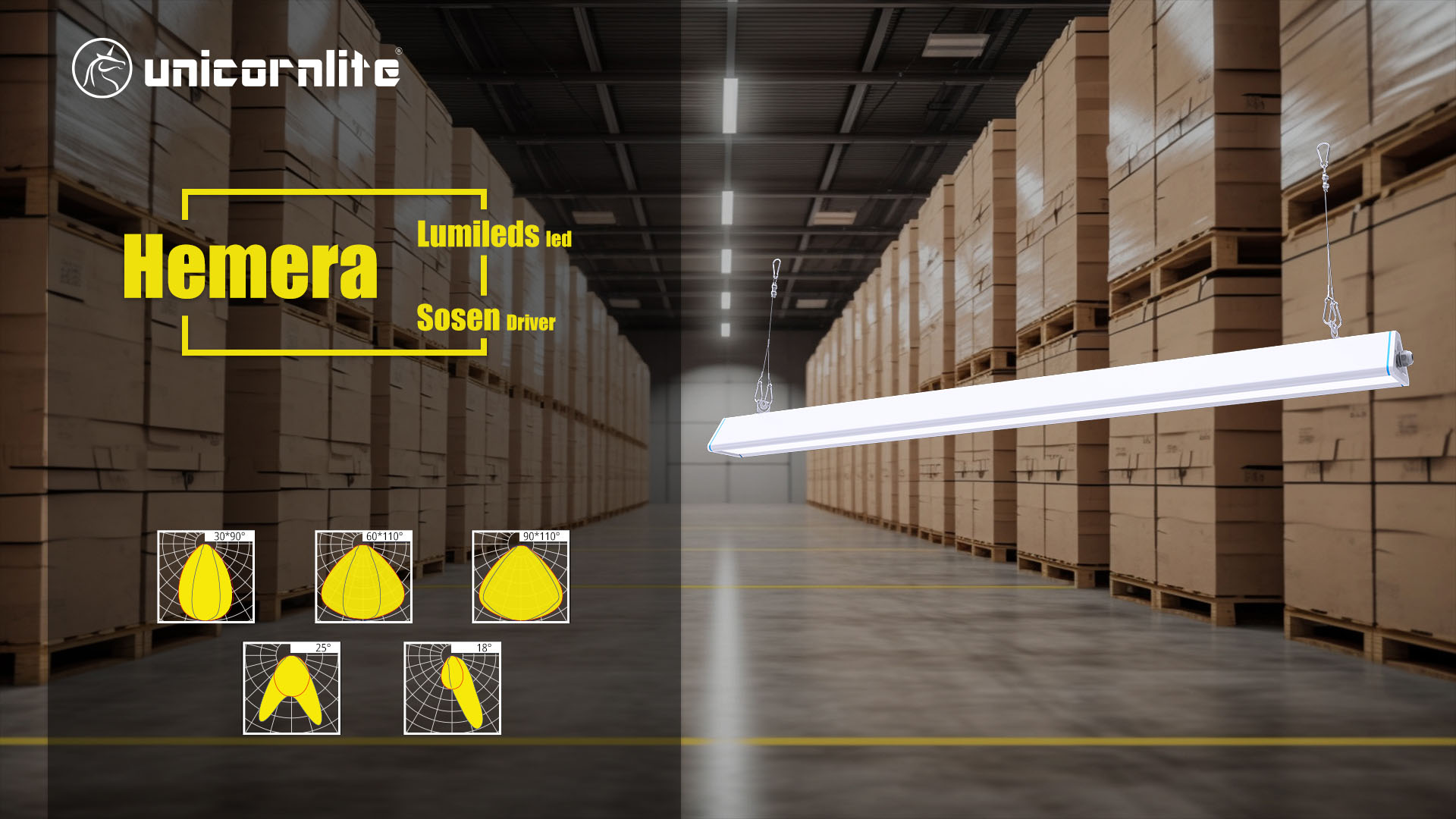
Beam angle affects how light spreads. This is a safety decision because it changes how consistent your visibility is across aisles, bays, and open floor areas.
Wide beam: usually better for open layouts where you want broad, even coverage and fewer shadows.
Narrow beam: can be useful for higher ceilings or where you need to push light down into a tighter area, but it can create more contrast if spacing is not planned well.
Match the beam to the floor plan:
Open production areas often benefit from wider distribution. Tall, narrow aisles may need a more focused pattern to keep vertical surfaces and pathways properly lit.
Color temperature for safety
Color temperature affects alertness, clarity, and hazard visibility. For many industrial spaces, a daylight range is a practical choice because it supports detail recognition and reduces the “yellow haze” effect that can hide contrast.
A common safety-friendly option is 5000K daylight, especially for:
Precision work
Inspection tasks
Active forklift traffic areas
Spaces where identifying hazards quickly matters
Warmer color temperatures can feel comfortable, but they may not provide the same crisp visibility for industrial tasks. For most facilities focused on accuracy and safety, daylight color temperatures are the usual pick.
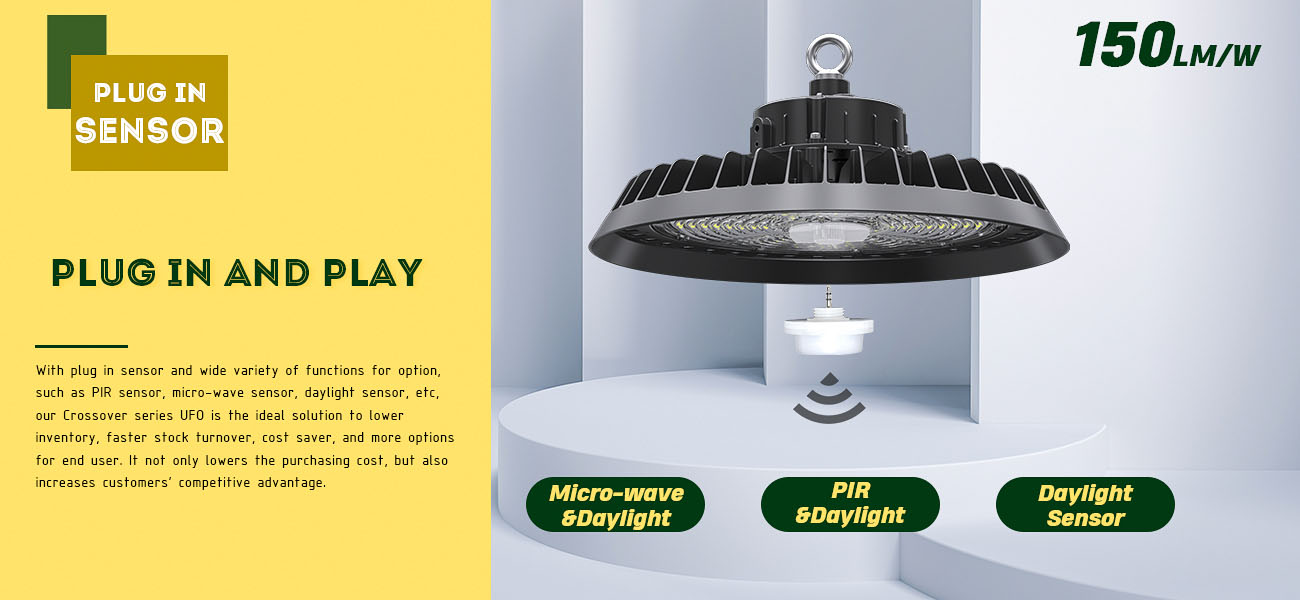
Motion sensors and smart controls
Controls can support safety if they are applied correctly. The goal is to avoid situations where someone enters a zone and has to work in dim light while the system catches up.
Used well, sensors and controls can:
Prevent dark conditions in rarely used areas while still providing light when needed
Support energy savings without sacrificing visibility
Provide consistent lighting schedules for predictable operations
Best practice in safety-critical zones: avoid aggressive settings that allow lights to dim too low or delay turning on. Loading docks, main aisles, stairwells, and active work zones should maintain reliable lighting at all times.
Conclusion
Workplace safety is built from small decisions that reduce risk every day. Lighting is one of those decisions. UFO LED
High Bay lights improve visibility, reduce shadows, stabilize brightness, and support the kind of clear, comfortable work environment where people make fewer mistakes. They also reduce maintenance exposure and eliminate many of the common problems of older HID and fluorescent systems.
If the goal is accident prevention, led ufo High Bay lights are not just an upgrade for energy savings. They are a practical safety improvement that supports better visibility, better decision-making, and a safer workflow across the entire facility.


